
Learn practical approaches to handle urban pressure and protect your cardiovascular health from the daily challenges of city living
Learn More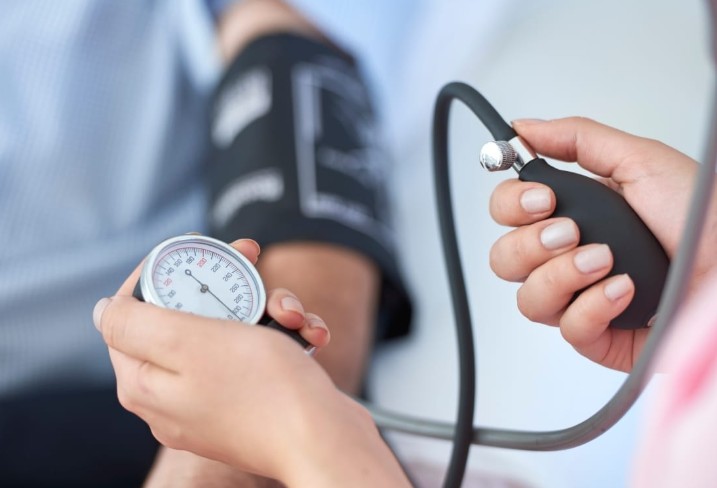
Modern city living brings unique pressures that affect your cardiovascular system. Rush hour traffic, workplace demands, constant noise, and packed schedules create ongoing tension that your body responds to by releasing stress hormones.
These hormones cause your heart to beat faster and make blood vessels contract. When this happens regularly, it can lead to sustained high blood pressure readings. Understanding this connection is the first step toward taking meaningful action for your heart health.
Regular stress management and healthy habits can help bring these numbers down to healthier ranges
Controlled breathing activates your relaxation response. Slow, deep breaths signal your nervous system to lower heart rate and ease blood vessel tension, naturally reducing pressure.
Moving your body helps burn off stress hormones and keeps blood vessels flexible. Even a brisk walk during lunch break makes a measurable difference in cardiovascular health.
Quality sleep lets your cardiovascular system recover from daily demands. Going to bed and waking at regular times helps regulate blood pressure and reduces stress hormone levels.
Eating whole foods rich in natural nutrients supports healthy blood vessels. Reducing processed foods and excess sodium helps maintain stable blood pressure throughout the day.
Better planning reduces last-minute rushing and deadline panic. When you control your schedule instead of reacting to it, your cardiovascular system experiences less strain.
Limiting alcohol, avoiding smoking, and cutting excess caffeine all help blood vessels stay healthy. These substances can temporarily spike blood pressure and add to cardiovascular stress.
Your cardiovascular system can adapt when you give it the right support. Combining movement, proper rest, and stress relief creates a foundation that helps your body handle urban pressures without constantly elevating blood pressure.
The key is consistency rather than perfection. Small daily actions add up to significant changes in how your heart and blood vessels respond to the demands of city life. Over weeks and months, these habits become second nature and your cardiovascular health improves.

After months of high readings, I started doing morning walks before work. Within six weeks, my blood pressure dropped to normal range. My doctor was impressed with the improvement.
- James Anderson
Working in traffic every day stressed me out. Learning breathing exercises changed everything. Now I stay calm in jams and my blood pressure stays steady all day long.
- Maria Santos
I thought my high blood pressure was just genetics. But when I started sleeping better and eating more vegetables, my numbers went down without any other changes.
- Robert Kim
Managing my work schedule better reduced my stress levels dramatically. I stopped rushing everywhere and my cardiovascular health improved within a couple of months.
- Patricia Lee
Cutting down coffee and starting yoga made me realize how tense I had been. My blood pressure readings are now consistently in the healthy zone.
- Daniel Brooks
Email: hello (at) yuboxop.icu
Address: 78/91 Ratchadaphisek Road, Chatuchak, Bangkok 10900
Phone: +66 2 876 5143
Ongoing stress can contribute to sustained high blood pressure over time. When your body constantly releases stress hormones, blood vessels may remain contracted and heart rate elevated, potentially leading to chronic cardiovascular issues.
Many people notice some changes within a few weeks of regular stress management and healthy habits. More significant improvements typically appear after two to three months of consistent practice.
Moderate exercise is usually beneficial for blood pressure control, but you should consult a healthcare professional before starting any new exercise program, especially if you have existing cardiovascular concerns.
Focus on fresh vegetables, fruits, whole grains, and lean proteins. Limit processed foods, excess salt, added sugars, and saturated fats which can contribute to higher blood pressure levels.